Almost every man knows the feeling: the cut looks sharp, and by the drive home the neck itches, tiny hairs are down the collar, and the skin around the edges feels prickly and warm. Post-cut itch is so common that a ring of myths has grown around it, including the idea that itching means the cut was dirty or the barber did something wrong. Most of the time it means something simpler. This piece sorts the claims, then covers what actually calms it.
What is really happening on your skin
A haircut produces thousands of short, sharp hair fragments. Those clippings land on skin, work under collars, and lodge at the neckline and around the ears, where skin is thin and sensitive. Each fragment is a tiny splinter of keratin with a freshly cut, pointed end. Add clipper friction, a close neckline shave, and skin that has just lost the protection of longer hair, and mild itching and redness for a few hours is the expected outcome, not a warning sign.
| Claim | Verdict | What is actually going on |
|---|---|---|
| Itching means the tools were dirty | Usually false | Ordinary itch is loose clippings and mild friction. Infection signs are different: spreading redness, pain, bumps with pus, or itch that worsens after day two. |
| A closer cut always itches more | True | Shorter cuts make shorter, stiffer fragments that poke skin more effectively, and close edge work adds friction. Fades and skin-tight necklines itch most in the first hours. |
| Scratching helps it settle faster | False | Scratching grinds fragments into the skin and can break the surface, turning a few hours of itch into days of irritation. Rinsing beats scratching every time. |
| The neck strip and powder do nothing | False | The paper neck strip keeps most clippings off the skin in the first place, and powder or a brush-down removes much of the rest. Skipping them is a real cause of a worse ride home. |
| Itch lasting a week is normal | False | Normal post-cut itch fades within hours to a day. A week of itch, especially with bumps along the hairline, suggests ingrown hairs, a reaction to a product, or a skin issue worth getting checked. |
Calming it, in the order that works
Start with removal, not treatment. When you get home, change out of the shirt you wore to the shop, since its collar is holding clippings against your neck. A lukewarm shower or a thorough rinse of the neck and around the ears washes fragments away and ends most itch on the spot. Pat dry rather than scrubbing. If the skin still feels hot or prickly, a cool damp cloth on the neck for a few minutes settles it, and a plain, fragrance-free moisturizer helps dry, tight skin.
What to avoid matters as much. Skip the heavy aftershave splash on freshly cut edges; alcohol on friction-irritated skin stings and dries it further. Do not apply thick pomade or oil right up to a fresh neckline the same day. And resist the hot shower: hot water feels like relief and reliably makes itching worse an hour later.
The exceptions: when itch is information
A few patterns deserve attention rather than patience. Bumps that appear a day or two after a very close cut, especially on the neck and jawline of men with curly hair, are often ingrown hairs, where the cut end curls back into the skin. Redness that spreads, crusts, or forms clusters of small pustules can signal folliculitis, an infection of the hair follicles that needs medical treatment rather than home remedies. A sharply defined itchy patch exactly where a new product was applied points to contact irritation, and the fix is to stop that product and tell your barber.
At Elite Barber Shop in Indian Trail, telling the chair what happened after your last cut is genuinely useful information. Barbers can adjust: a lighter hand on the neckline, a different finish on the edges, a barrier method for sensitive skin, or a recommendation to leave a little more length where your skin objects.
Making the next cut easier on your skin
If you know your skin runs sensitive, say so before the cut and ask for the full brush-down and a fresh neck strip. Wear a shirt you can change out of easily, and plan the shower for right after rather than that evening. Men who react to nearly every close cut sometimes do better with a slightly longer neckline finish and more frequent clean-ups, trading a fraction of sharpness for skin that stays calm. That trade is worth making once, deliberately, instead of suffering through every appointment by default.
Common questions
How long should post-cut itch last?
A few hours is typical, and it should be fading, not building, by the next morning. Itch that intensifies after the second day or comes with spreading redness is not normal and deserves a closer look.
Should I wash my hair right after a cut?
A rinse or shower after a cut is a good idea, since it removes the loose clippings that cause most itching. Lukewarm water is best; hot water and harsh scrubbing can irritate freshly cut edges.
Why does my neck itch more than the rest of my head?
Neck skin is thinner and more sensitive, the neckline gets the closest work, and your collar traps clippings against it all the way home. That combination makes the neck the itch headquarters for most men.
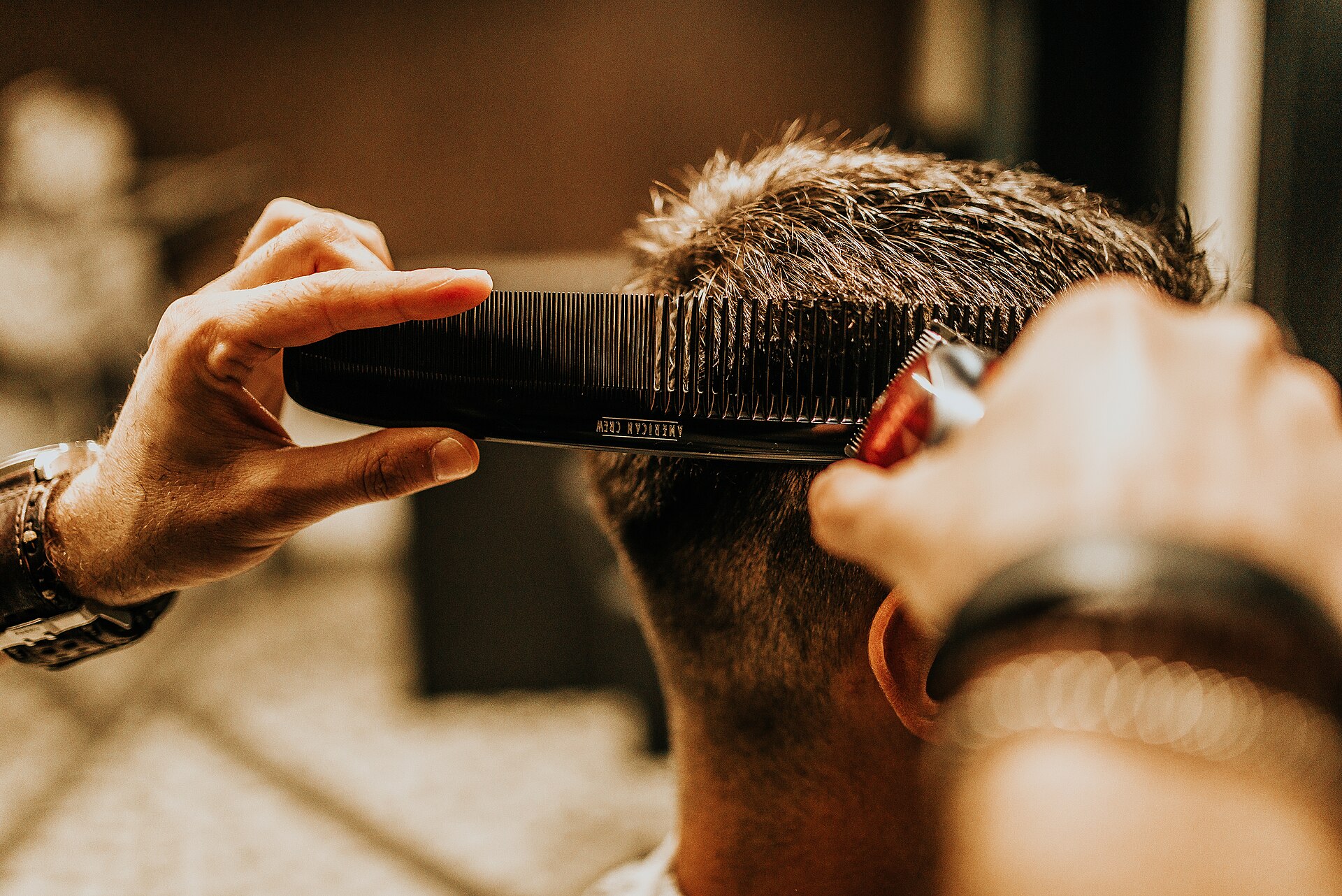
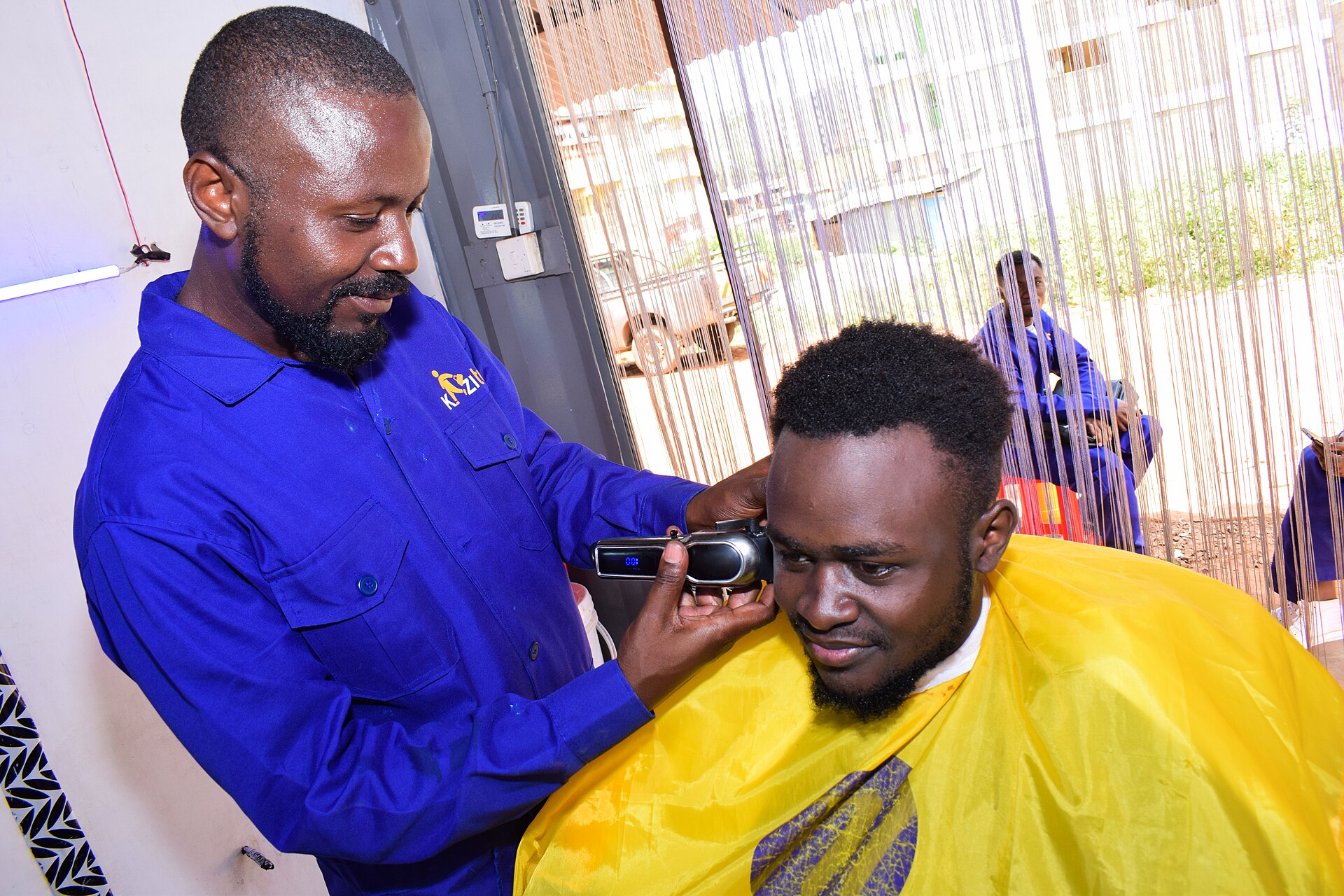
Photos in this guide are representative stock images.
← All guides from Elite Barber Shop← Back to Elite Barber Shop