Barber shops run on sayings. Comb it this way long enough and the hair will learn. Shave it and it grows back thicker. Cut it and it grows faster. Some of these contain a kernel of real mechanism; some are flatly wrong; and a few depend on what you mean by the words. If you are deciding whether to change your part, grow your hair out, or trust a shop saying with your next cut in Indian Trail, here is the sorted version, organized as a decision guide rather than a lecture.
The main question: can hair learn a part?
What people call training a part is real, but it is not learning. Hair's growth direction is set by the follicle angle in the scalp, and no combing changes that. What does change with repetition is the hair's temporary set: styling, heat, and product bend the hair shaft, and hair that has been parted in one place for months has a worn-in fold there, plus shorter hairs around it that have grown in under the influence of being swept one way. Move the part half an inch and for the first week or two the hair keeps falling back to the old line, especially when it gets wet or sweaty. Persist, and the new fold wears in.
So the decision is about tolerance for the transition, not possibility. Nearly anyone can move a part. Whether it stays put between washes depends on how close the new part sits to where the hair naturally separates, which your cowlicks and crown decide.
| Shop saying | Verdict | What it means for your decision |
|---|---|---|
| Hair learns a part if you comb it enough | Half true | The shaft takes a set with repetition, but growth direction never changes. Expect a two-week fight, then a truce, if the new part is near the natural one. |
| Shaving or cutting makes hair grow back thicker | False | Cutting removes tapered tips, so regrowth feels stubblier and looks denser briefly. Follicle count and hair diameter are unchanged. Do not cut for thickness. |
| Trimming makes hair grow faster | False | Growth happens at the root, about half an inch a month, indifferent to what happens at the ends. Trims remove split ends, which prevents breakage, so length is kept rather than created. |
| Your hair gets used to a shampoo, so you must rotate | Mostly false | Hair is not alive and cannot build tolerance. What changes is buildup on the hair and your scalp's condition across seasons. A clarifying wash fixes the usual complaint behind this saying. |
| A part should follow your natural growth | True | Styles that agree with the crown and hairline need a fraction of the product and effort. This is the saying to build decisions on. |
| Brushing makes hair healthier and shinier | Half true | Gentle brushing spreads scalp oil along the shaft, which adds shine. Aggressive brushing breaks hair and irritates the scalp, reversing the benefit. |

Deciding on a new part: the practical sequence
First, find your natural separation: wet hair, combed straight down, falls apart at its honest part. A new part within about half an inch of that line will settle quickly. An inch or more away, or on the opposite side against a strong hairline cowlick, means daily heat styling to hold it and a style that relaxes back whenever it gets damp. Neither is forbidden; they are just different prices, and you should pay the higher one on purpose.
Second, test before cutting. Wear the new part for two weeks with your current length, using a dryer on damp hair to set it in the morning. If it survives your real life, ask the barber to cut around it at the next visit; the cut can support a part with subtle length differences that make it fall correctly on its own. At Elite Barber Shop, that test-first approach is the difference between a part that works and one you abandon by the third week.
Why the myths persist
Most shop sayings survive because they describe something real in the wrong words. Hair really does behave differently after a month of combing one way; a fresh buzz really does feel thicker coming back; trimmed hair really does reach longer lengths. The mechanisms are set, stubble, and breakage rather than learning, thickening, and speed, but the observations underneath were honest. Sorting them matters because the wrong mechanism produces wrong decisions, like cutting a thinning head shorter and shorter in the hope of thickness that no trim can deliver, while the right length strategy for thinning hair is a styling and coverage conversation entirely.
Common questions
How long does it take for a new part to settle?
Most parts settle within one to two weeks of daily styling, if the new line is near your natural separation. Parts placed far from the natural line may never fully settle and will need heat and product every day.
Does changing my part damage my hair?
No. Moving a part is a styling change, not a chemical or structural one. The only wear comes from aggressive daily heat or brushing used to force an unwilling part, which technique can minimize.
Will cutting my hair make it grow in fuller if it is thinning?
No. Cutting cannot change follicles. The right moves for thinning are length and style choices that maximize coverage, gentle handling, and a medical conversation if the loss is progressing.
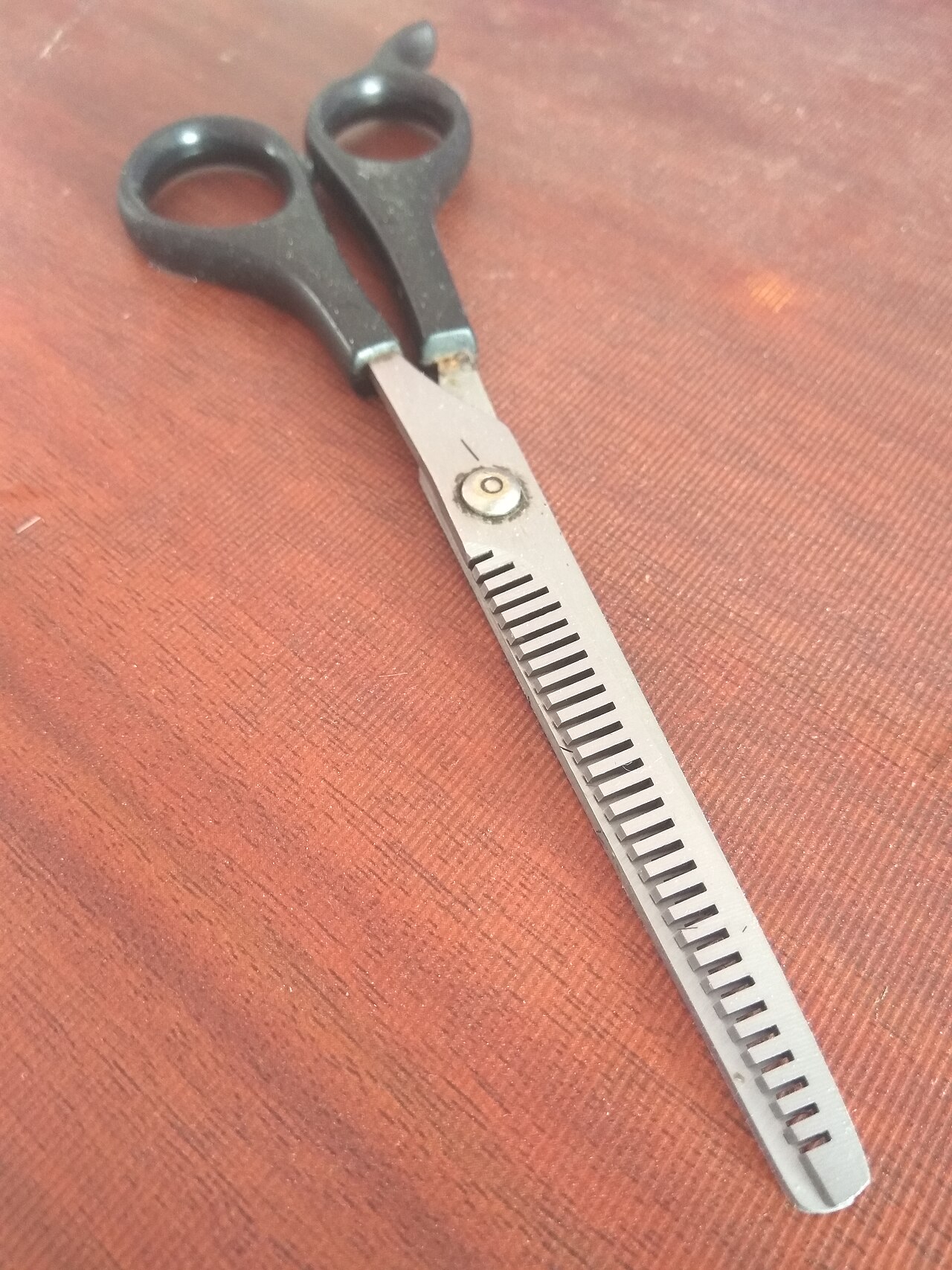
Photos in this guide are representative stock images.
← All guides from Elite Barber Shop← Back to Elite Barber Shop